
Moving to Germany from Africa: first steps and how to find food from home

Moving to Germany from Africa is exciting and tiring at the same time. You arrive with a suitcase, a few phone numbers and a lot of hope, and then the paperwork starts. Many of us have been through it: the letters in German, the queues, the first Sunday when you discover every shop is closed. This guide gathers the first steps that really matter, plus the part nobody explains at the airport: how to eat like at home again.
Note: this is general orientation from people who have lived it, not legal advice. Rules depend on your situation, so always check with the official office or your university or employer.
The first steps after moving to Germany from Africa
1. Anmeldung: register your address
When you move into a flat, you have to register your address at the local Bürgeramt (sometimes called Einwohnermeldeamt) within 14 days. You usually need your passport and a Wohnungsgeberbestätigung, a form your landlord signs to confirm you live there. Book an appointment online as early as possible; in big cities slots go fast.
Your registration certificate (Meldebescheinigung) is the key to many other things. A few weeks later your tax ID (Steuer-ID) normally arrives by post. Keep it safe; employers will ask for it.
2. Krankenkasse: health insurance
Health insurance is compulsory in Germany. Students, workers and families all need cover. Depending on your status, it will be a public Krankenkasse or private insurance. Do this early, because universities, employers and the immigration office will ask for proof.
3. Bank account and phone
Most things here are paid by bank transfer or direct debit, so you will need a Girokonto. For a German SIM card, the provider has to verify your identity, so keep your passport at hand. A local number makes everything easier, from appointments to deliveries.
4. Learn the small rules
- Sunday is quiet. Almost all shops are closed on Sundays and public holidays. Do your shopping on Saturday.
- Pfand. Many bottles and cans carry a deposit. Bring them back to the machine in the supermarket and you get money off your next shopping.
- Mülltrennung. Rubbish is separated: paper, packaging, glass, organic waste and the rest. Your neighbours will notice if you mix them.
- Letters matter. Open every official letter, even if it looks boring. Many deadlines start from the date of the letter.
- Ruhezeit. In many buildings, nights and Sundays are quiet times. Pounding fufu at 22:00 is not a good way to meet the neighbours.
Finding food from home
The first weeks you will eat a lot of bread and pasta. That is normal. But food is also how we keep our balance far from home, and after a while you need your own taste back. Here is how most Africans in Germany organise themselves.
What you can find in a German supermarket
Aldi, Lidl, Rewe, Edeka, Kaufland and Penny all sell rice, onions, tomatoes, tinned tomatoes (passierte Tomaten), chicken, fish, spinach, ginger, garlic and sunflower oil. With these alone you can already cook a decent stew or jollof. Bananas are everywhere; plantains sometimes appear in bigger shops, but not reliably.
Turkish, Asian and international shops
Turkish supermarkets are often good for fresh okra, chili peppers, goat or lamb and big bags of spices. Asian shops sometimes have fresh cassava, yam or taro. They are useful, but you will not find your palm oil, your eru or your favourite seasoning there.
The African shop
For the real things, you need an African grocery. That is where you find red palm oil, fufu and yam flour, smoked fish, dried crayfish, frozen leaves like ndolé and cassava leaves and all the seasonings from home. It is also where you meet people, ask questions and hear about the next party, church service or association meeting.
A starter shopping list for your first month
You do not need to buy everything at once. These basics cover a lot of meals:
- A bag of rice, like our jasmine rice 1 kg (or a big bag if you share with flatmates)
- Red palm oil for soups and stews
- Cassava fufu flour or yam flour
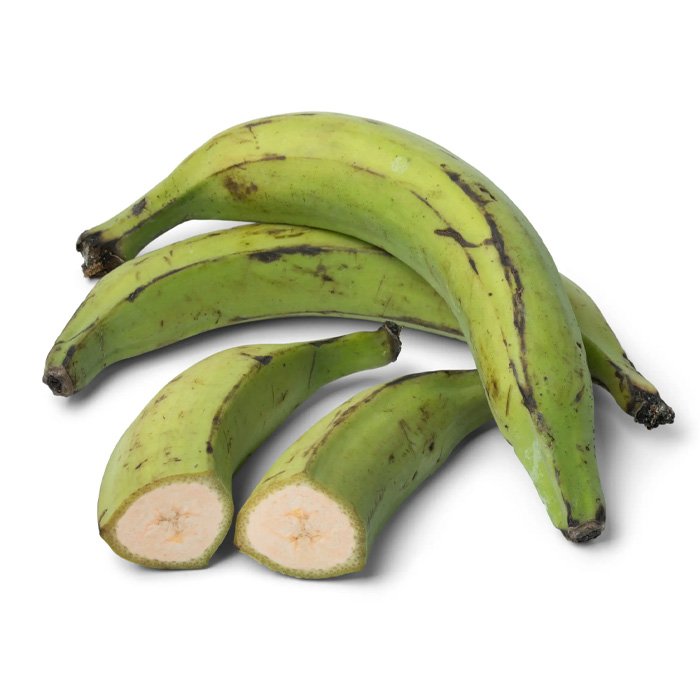
- Green plantain for frying or boiling
- Maggi seasoning cubes and some dried crayfish
- Beans, such as our red beans 900 g
Do not stay alone
The hardest part of moving to Germany is often not the paperwork but the loneliness, especially in the first winter. Look for African student associations at your university, churches and mosques with African communities, sports groups and diaspora associations of your country. Cooking a pot of soup and inviting people is still the best way to make friends, in Lagos, Douala, Accra or Giessen.
FAQ
How long do I have to register my address in Germany?
Normally within 14 days of moving into your flat. Book an appointment at the Bürgeramt early, because waiting times can be long in big cities.
Is health insurance really compulsory?
Yes. Everyone living in Germany needs health insurance. Which type you get depends on whether you are a student, employee, self-employed or family member.
Can I get African food delivered in Germany?
Yes. Saamokolo ships across Germany with tracking, generally within 24 to 48 hours. You can also visit our shop in Giessen or browse the online shop.
Are shops open on Sundays?
Almost all shops are closed on Sundays and public holidays. Petrol stations and some shops in train stations are exceptions.
Just arrived in Germany and looking for something from home? Message us on WhatsApp on +49 1521 7868134, we are happy to help.
Related articles
All articles →
Craving African flavours?
Discover fresh produce, rare spices and drinks from home, delivered across Europe.
Visit the shop